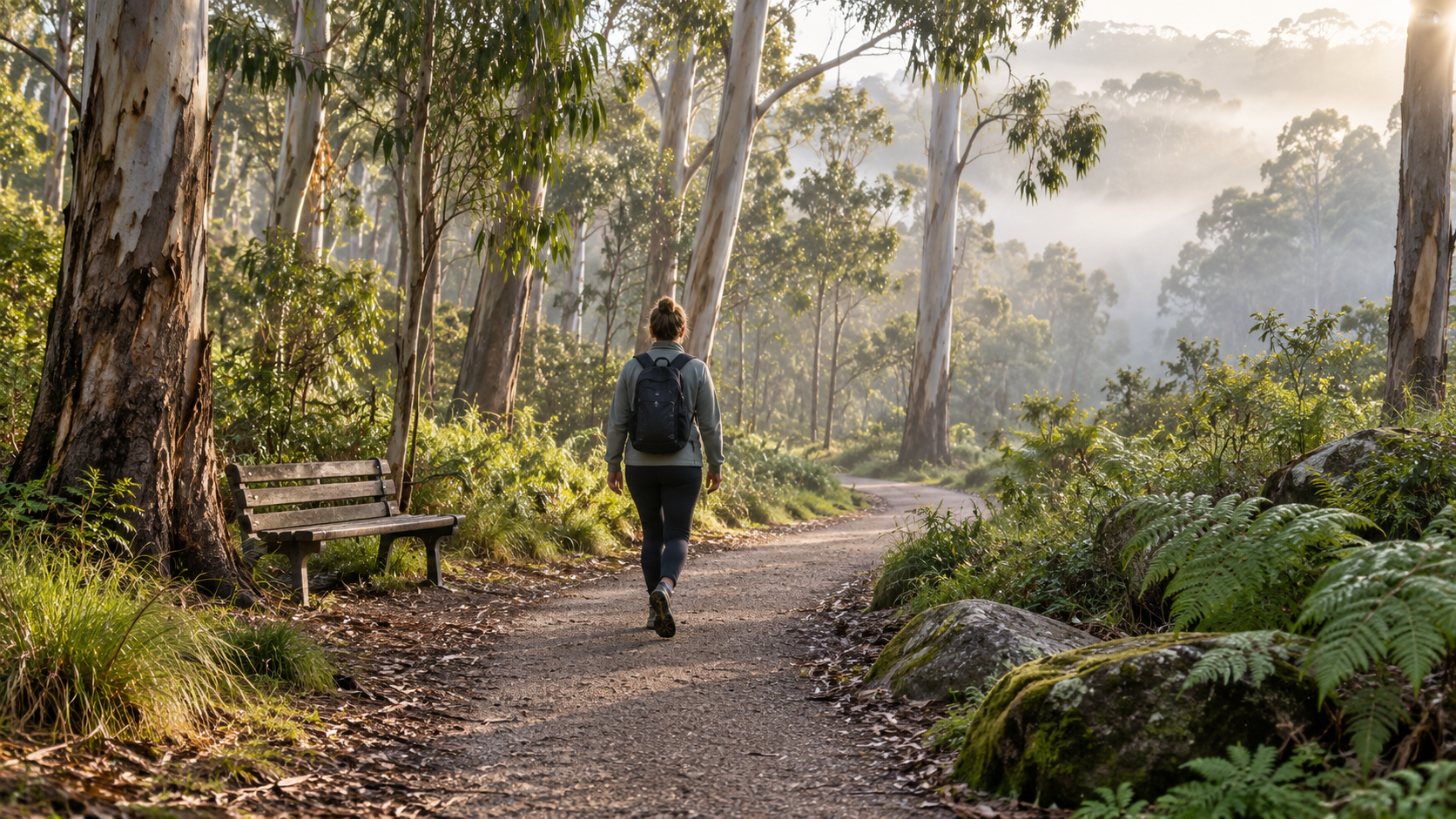
At the end of a perfectly pleasant walk, I looked at the distance and felt oddly disappointed. The trees had been good. The conversation had been good. We had stopped beside a stream and watched the light change. Apparently none of those details could compete with a number that looked insufficiently ambitious.
I had imported a leaderboard into an afternoon that nobody had organized as a competition.
There are walks for training, walks for a particular journey and walks for testing an ambitious route. There are also walks because being outside sounds pleasant. That last category deserves to exist without a small statistical apology attached.
Give the outing its actual purpose
Before a nearby walk now, I ask what I want from the time. Fresh air and conversation? A quiet interval alone? A visit to a familiar tree? Enough movement to feel pleasantly tired while still wanting to cook dinner? Naming the purpose helps me choose an outing that can meet it.
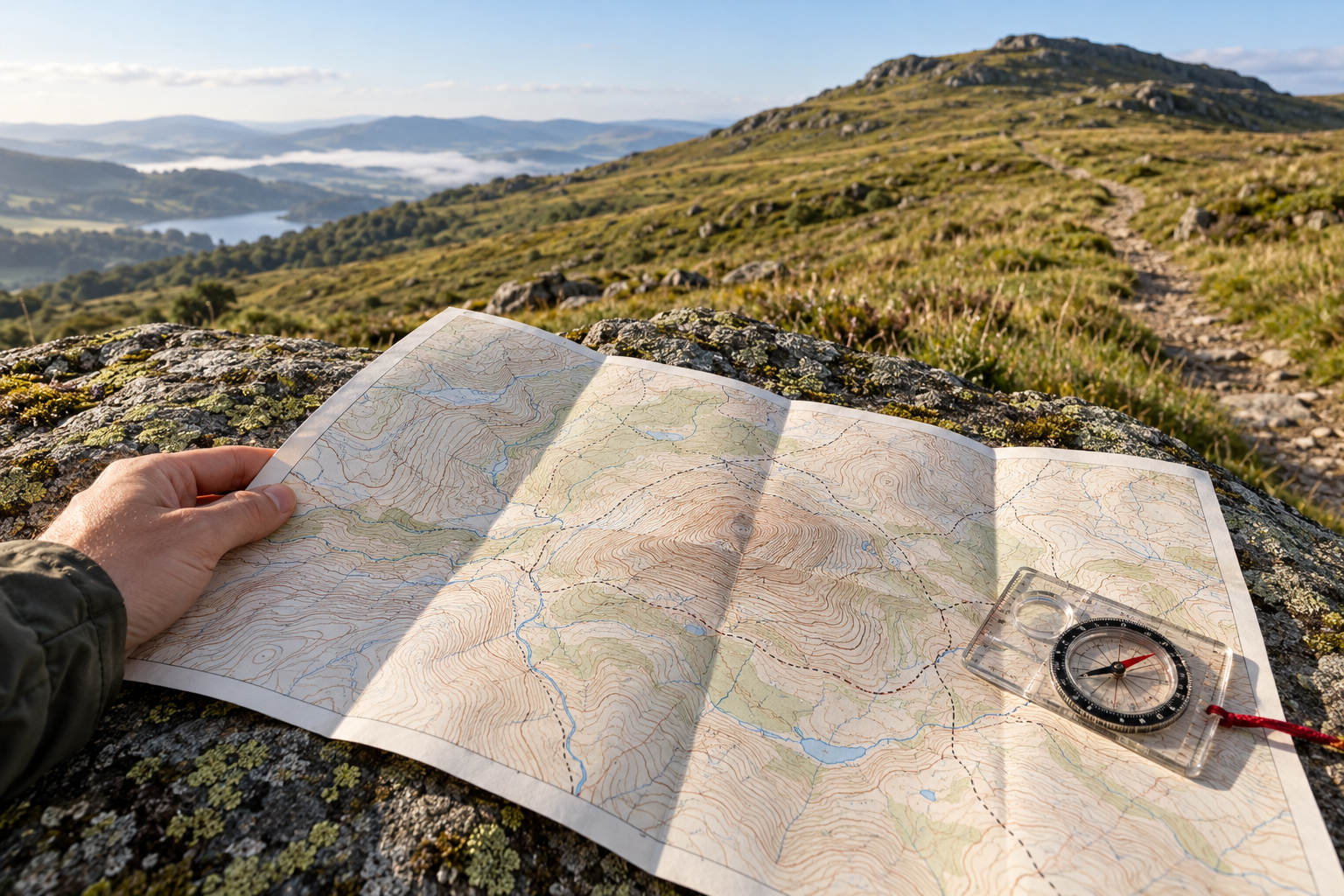
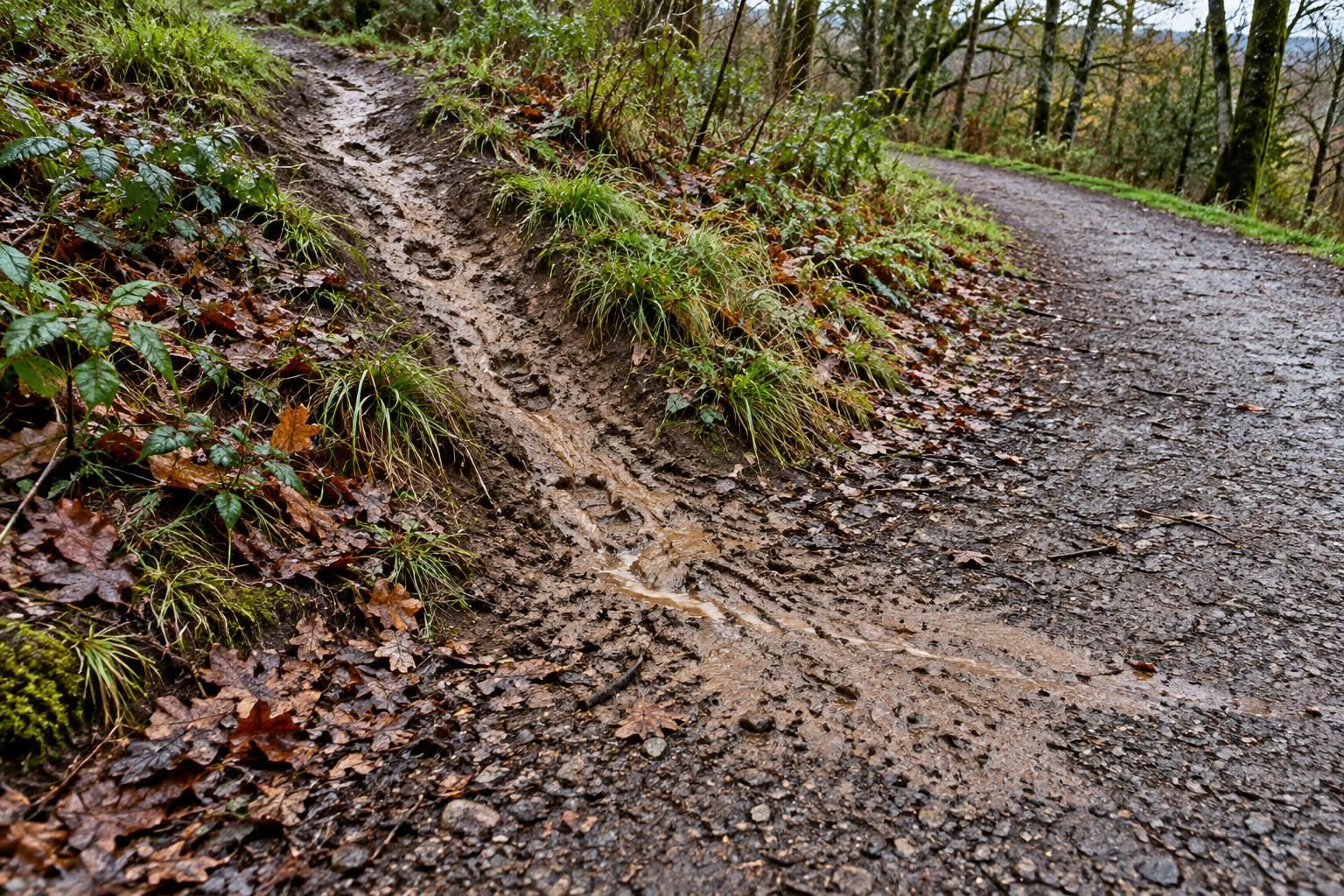
The choice still needs practical attention. I consult current local information, consider conditions and choose a route suitable for the people going. A casual mood does not remove the need to think about weather, access, equipment or a sensible way home. I just avoid treating extra distance as automatic evidence that the afternoon became better.
When I walk with a friend, we agree on expectations before setting off. A person who imagined an easy conversation may not enjoy discovering that the other person has quietly scheduled an endurance examination. Shared plans should contain the shared part somewhere before the path begins.
The stop belongs to the walk
I used to regard pauses as interruptions. Now I notice what some pauses provide. A closer look at a branch. A drink taken without rushing. A conversation that becomes easier when both people have stopped trying to maintain a pace.
The return journey benefits too. I do not have to spend the second half negotiating with an ambition that looked attractive at the kitchen table. Choosing a manageable outing can leave enough attention to enjoy the details near the end rather than treating them as obstacles between me and the car or bus.
I keep route notes, but the notes include experience as well as distance. Where did we stop? What did we enjoy? What felt awkward? Which detail would make a return visit worthwhile? A number helps describe the route. It does not describe every reason to repeat it.
There is also a place for changing the plan. Conditions change; people get tired; a practical difficulty appears. Turning back or choosing a simpler option can be a sensible decision, not a dramatic failure of character. An enjoyable afternoon should not require ignoring the information arriving during it.
The walking world contains enough impressive achievements to supply several lifetimes of admiration. I am glad people enjoy pursuing them. I simply do not want every ordinary outing judged against the most ambitious one someone has shared on a screen.
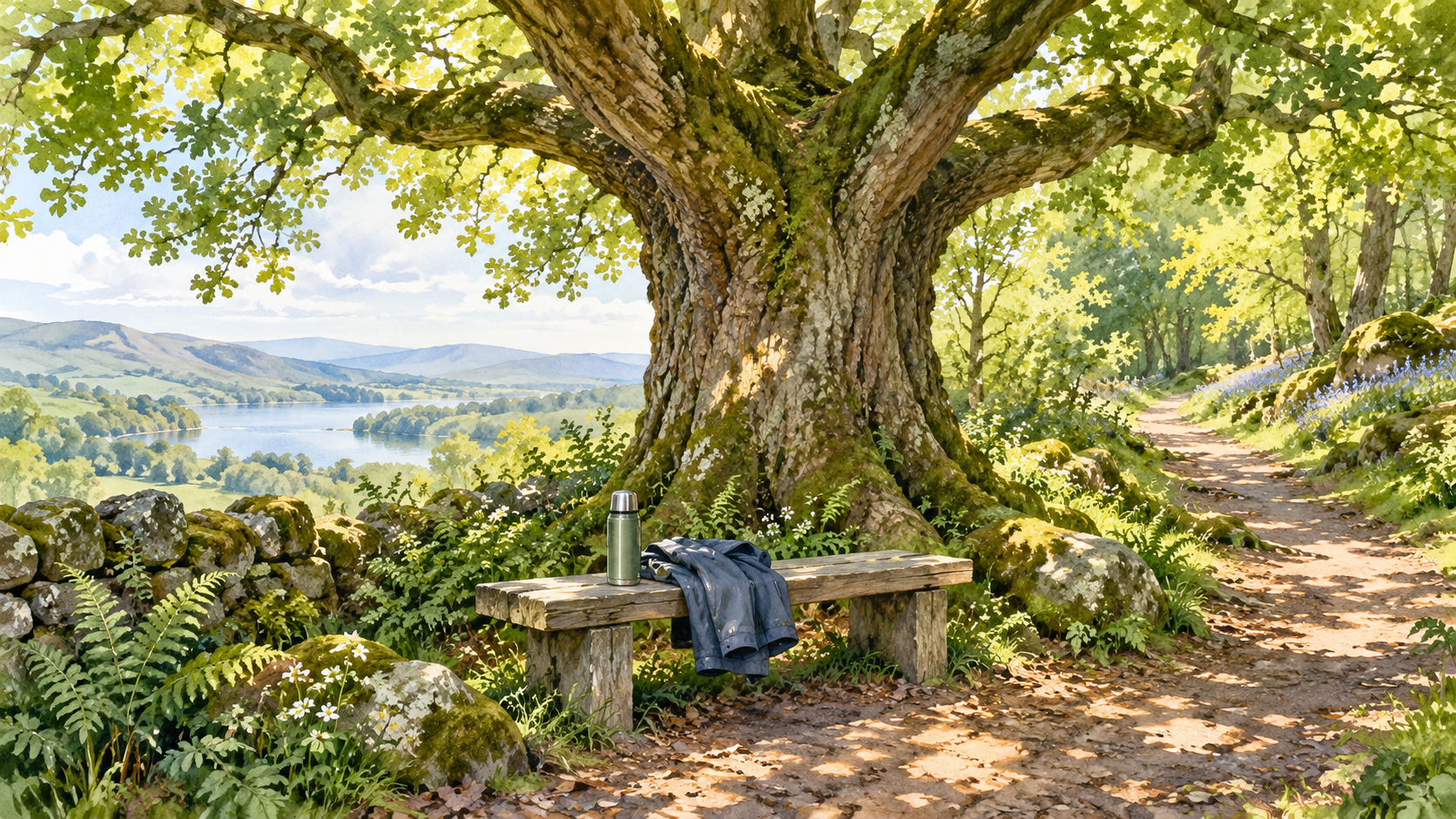
Last weekend we walked a familiar path, stopped for a thermos break and returned while the afternoon still felt generous. The distance was unremarkable. The tree we sat beside was excellent. Dinner was made without a lengthy discussion of whose feet hurt more.
The notebook has a page about that outing. I wrote the distance once and the interesting details several times. The leaderboard appears to have survived being left at home.

A thought worth keeping?